Sliding vs. Folding Glass Balconies: Differences, Applications, and Price
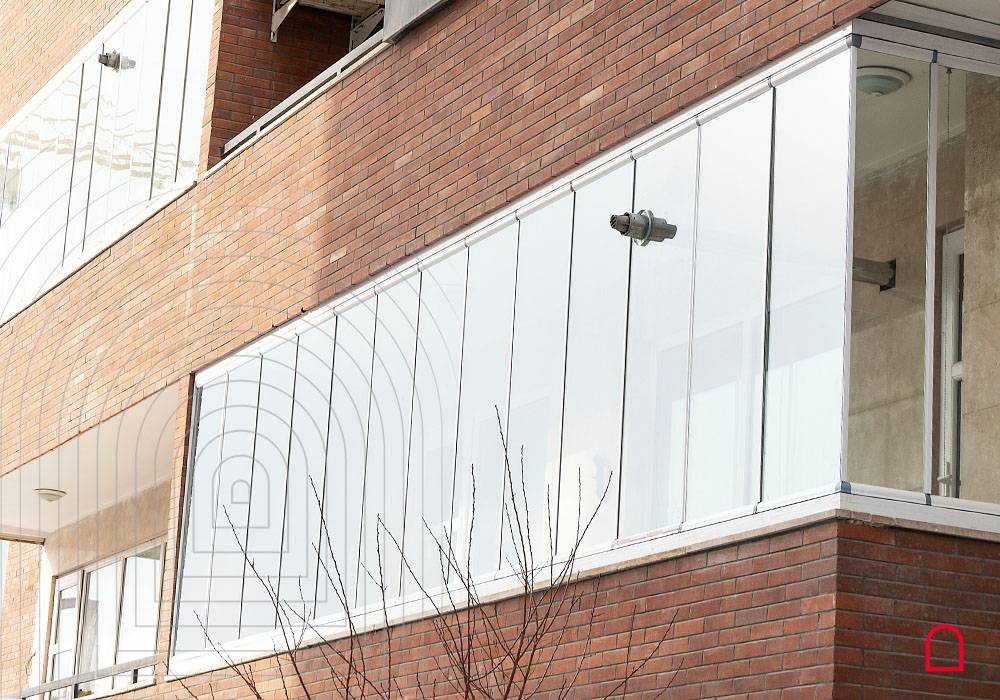
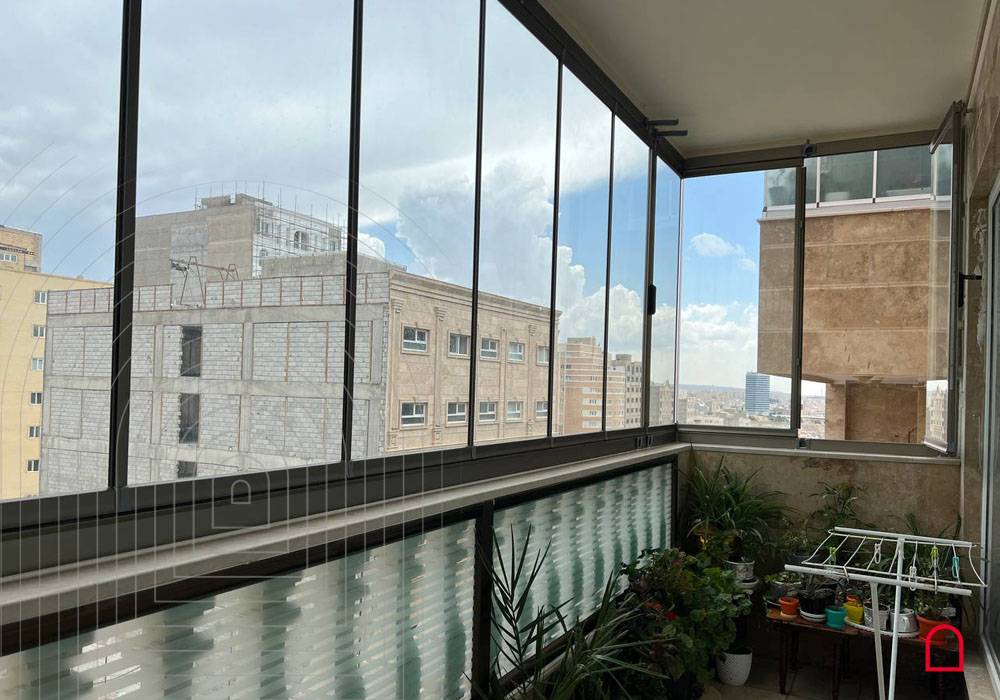
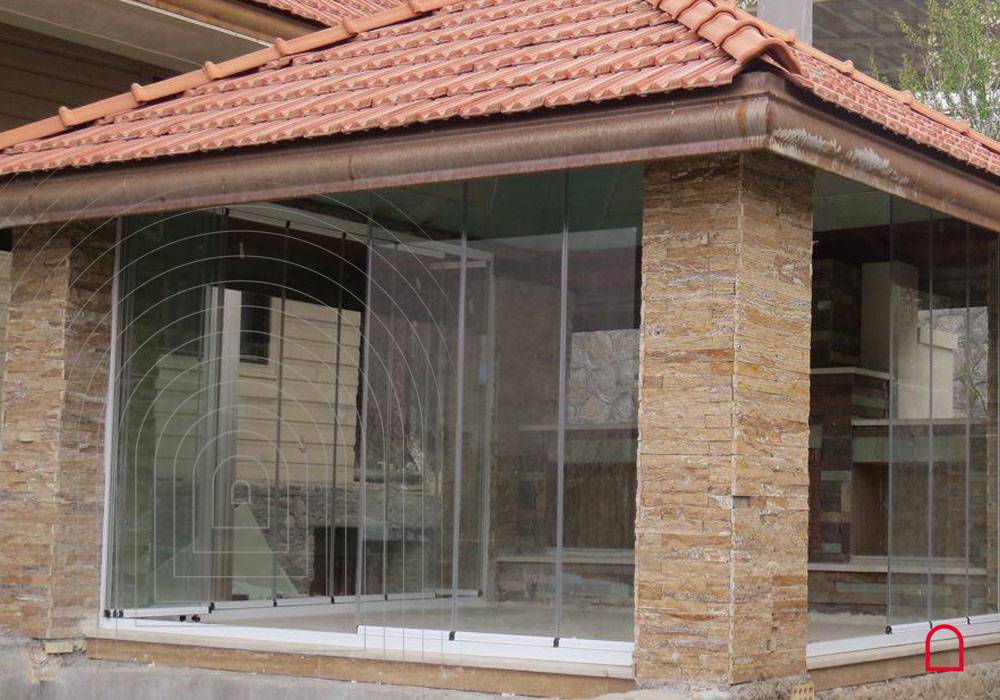
Sliding (track) glass balconies are one of the most common terrace enclosure systems used in residential and commercial buildings. In this model, the glass panels move horizontally along tracks at the top and bottom, sliding past one another. This system works especially well for wide, rectangular balconies, and day-to-day use is simple and smooth. However, because of the sliding structure, the panels can’t all stack fully behind one another — so part of the balcony’s open view remains blocked.
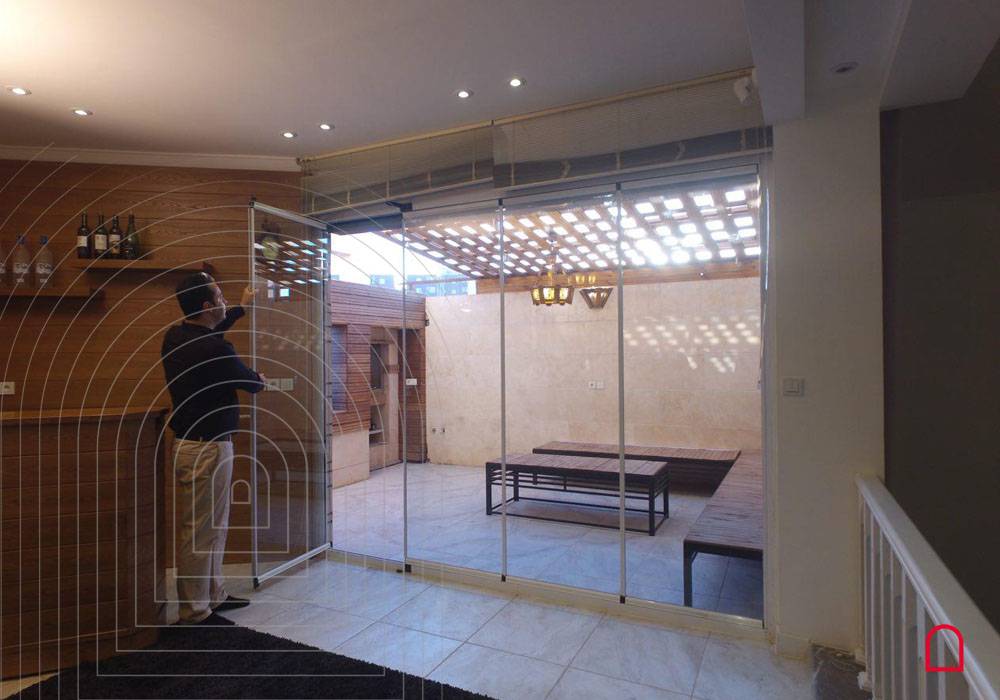
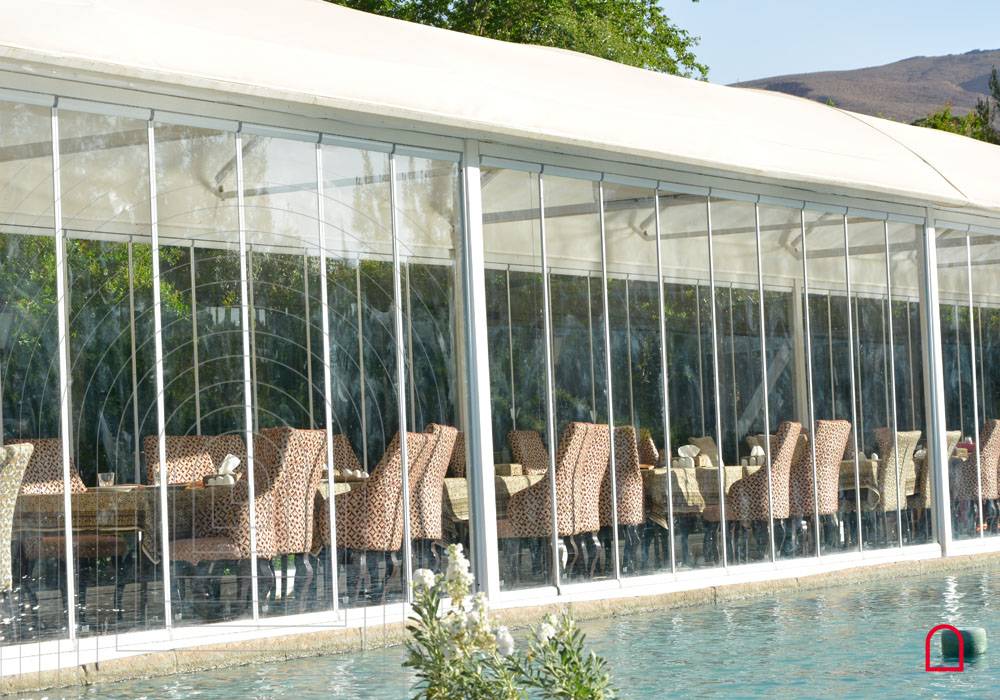
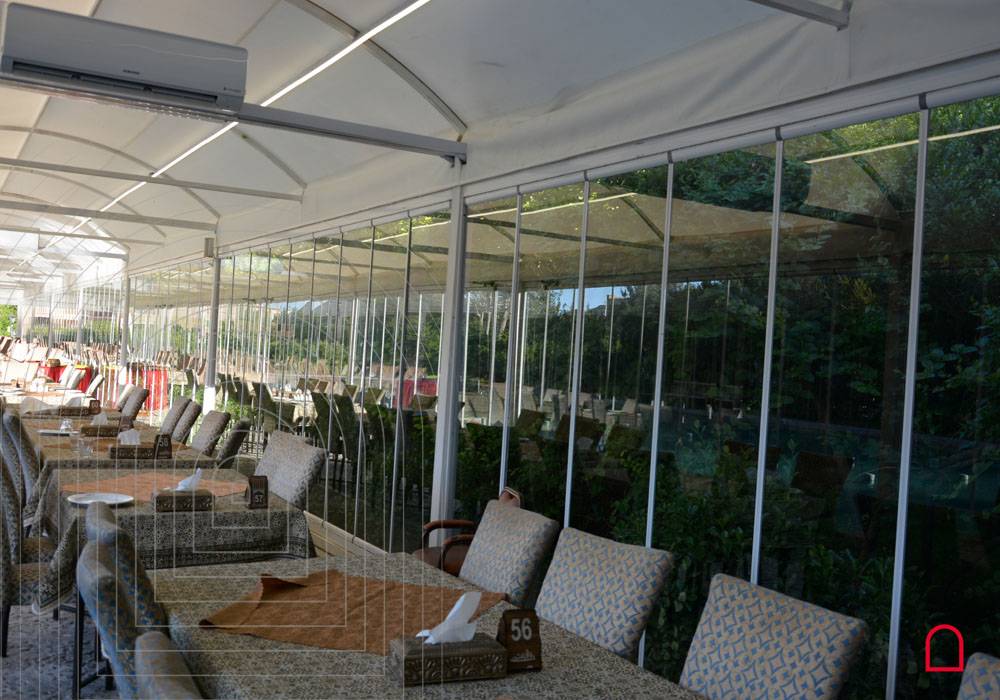
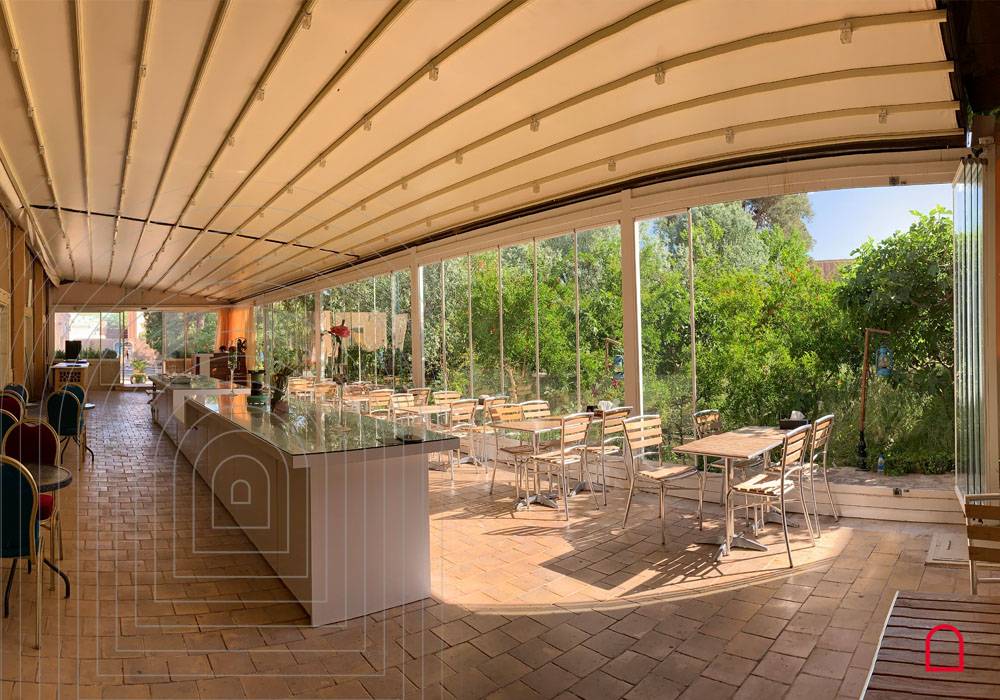
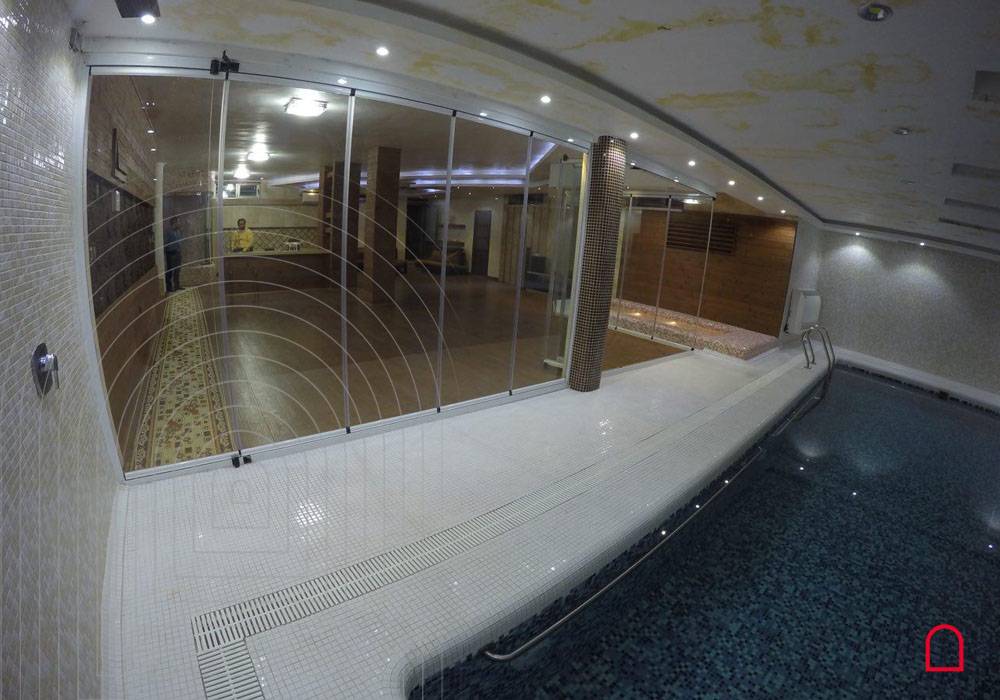
Folding (bi-fold) glass balconies, by contrast, are made up of hinged panels that fold completely to the side once opened. This system is the better choice for smaller balconies or for anyone who needs a fully open view. Folding glass offers greater flexibility, freeing up the entire terrace space when needed.
When it comes to buying a glass balcony, folding systems are typically a bit more expensive than sliding ones, since their hardware and folding mechanism are more complex and precisely engineered. But if an open view, natural airflow, or year-round use of your balcony matters to you, that price difference is easy to justify.
So Which Glass Balcony Is Right for You?
If your balcony is small and you want the entire space to open up, a folding system is the more practical choice.
If you have a wide balcony and price is your priority, a sliding system will serve you well.
For commercial and family projects where safety is a top concern, laminated glass is recommended.
Is a Glass Balcony Worth the Cost?
A glass balcony isn’t a disposable expense — it’s a long-term investment in your quality of life, with reduced noise, improved safety, and a space you can use all year round. That’s why comparing systems purely on a price-per-square-meter basis isn’t the right way to decide.
When Is a Glass Balcony Not a Good Fit?
If your balcony has a steep slope, weak substructure, or specific structural limitations, installing a glass balcony may call for a more detailed technical assessment. In these cases, getting professional advice before making a decision is essential.